10-Minute Morning Yoga: A Gentle Beginner Sequence
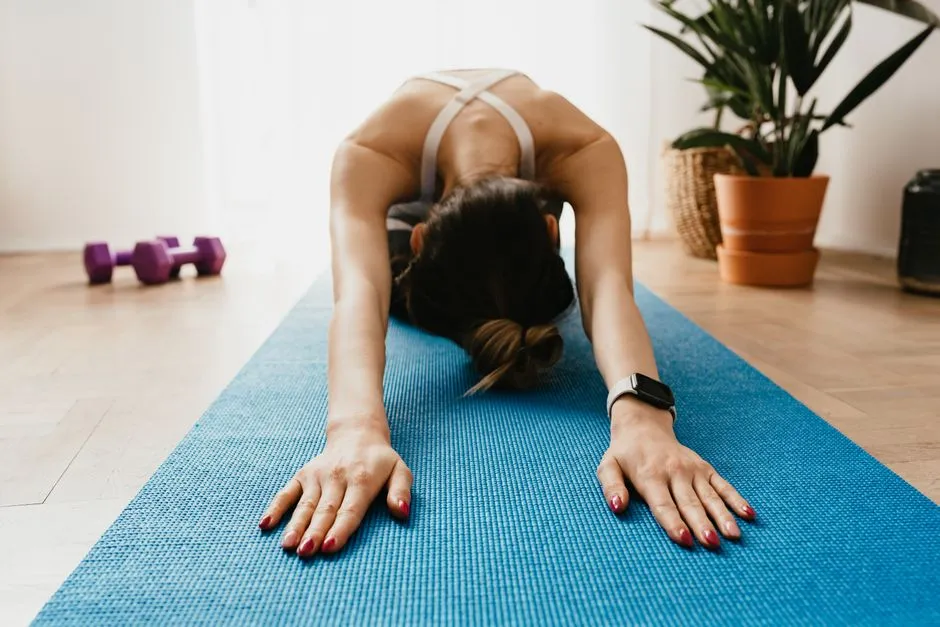
- Ten minutes, six small chapters
- Set up before the timer starts
- Minute 0 to 1: arrive in a chair or easy seat
- Minutes 1 to 3: shoulders and side body
- Minutes 3 to 5: tabletop and gentle spine motion
- Minutes 5 to 7: supported low lunge
- Minutes 7 to 9: standing half-salute with support
- Minutes 9 to 10: rest and choose the day's next speed
- Use props to reduce reach, not force range
- Increase gradually
- Take it outside thoughtfully
Ten minutes, six small chapters
A morning practice does not need to transform your life before coffee. It needs a clear start, movements you can control, and an ending that does not leave you sprinting toward the shower with one sock and a spiritual grievance.
This 10-minute sequence is for healthy adults who can move between standing and the floor comfortably. It is general practice guidance, not treatment, rehabilitation, or individualized instruction. NCCIH says yoga is generally considered safe for healthy people when practised properly under qualified instruction, but injuries can occur.
If you are new to yoga, pregnant, injured, older, new to exercise, or managing a health, spine, blood-pressure, eye, or balance condition, ask an appropriate qualified health professional and instructor whether this sequence should be modified or avoided. Stop for pain, dizziness, numbness, weakness, breathing difficulty, or anything else concerning.
Set up before the timer starts
You need a non-slip mat, a stable non-rolling chair, and optionally two blocks. Clear enough space that hands and feet cannot strike furniture. Keep the chair near a wall if you will use it for balance.
Wear clothing that permits easy movement and breathe normally throughout. There is no breath-holding contest, and forceful breathing is not part of this beginner sequence. Move within a range that feels steady today, which may be different from yesterday's range and dramatically different from the range advertised by your ambitions.
Set a gentle timer for 10 minutes, or use six interval cues: 1, 2, 2, 2, 2, and 1 minute. The arithmetic is exact: 1 + 2 + 2 + 2 + 2 + 1 = 10.
Minute 0 to 1: arrive in a chair or easy seat
Sit toward the front of the stable chair with both feet supported, or choose a comfortable floor seat on a folded blanket. Let hands rest on thighs. Keep the spine easy rather than rigid.
Notice the room, the contact points beneath you, and the natural breath. Take four or five unforced cycles without trying to make them enormous. If focusing on breath feels uncomfortable, attend to the feet or sounds in the room instead.
Roll shoulders slowly up, back, and down twice. Reverse direction twice. Keep the jaw loose. This minute is not an examination of inner peace; it is simply the moment when you stop answering email with your rib cage.
Minutes 1 to 3: shoulders and side body
Remain seated or stand with the chair nearby.
For the first minute, inhale while sweeping both arms forward and up only as high as comfortable. Exhale while lowering them. Repeat four to six times. Keep shoulders away from ears and choose one arm at a time if raising both is uncomfortable.
For the second minute, keep the right hand on the chair or floor. Reach the left arm up and lean slightly right without collapsing forward. Take two normal breaths, return, and change sides. Repeat once more each way if time permits.
The movement should create space, not pinching. A smaller reach is still the movement. If an overhead position is restricted by injury or professional advice, slide the hand outward at shoulder height or keep it on the hip.
Minutes 3 to 5: tabletop and gentle spine motion
Come to hands and knees only if the floor transfer and weight-bearing are comfortable. Place knees under hips and hands under shoulders, adding a folded blanket under knees if helpful. Keep fingers spread without forcing them.
For about 60 seconds, alternate gently between allowing the chest and sitting bones to move apart on an inhale and rounding the back softly on an exhale. The movement can be tiny. Do not throw the head back or drive the chin hard toward the chest.
For the next 60 seconds, keep the spine near neutral and slide one leg back with toes on the floor. Pause for one normal breath, return, and change legs. If stable, lift the straight leg only a few inches without twisting. Repeat two or three times each side.
For a chair version, sit tall and alternate a mild chest opening with a comfortable rounding, then march one foot at a time. The chair version is not the consolation prize; it is the version happening in a chair.
Minutes 5 to 7: supported low lunge
From hands and knees, step the right foot between the hands. If it does not travel there easily, use a hand to move it or rise and enter from standing with both hands on the chair. Keep the back knee padded on the mat.
Place hands on blocks, the front thigh, or the chair. Shift forward only until the front of the back hip feels gently engaged, without forcing the front knee or arching the lower back. Stay for three or four normal breaths, then return carefully.
Change sides at the 6-minute mark. Spend about 1 minute per side, including the transition. If kneeling is uncomfortable or not advised, stand facing the chair, step one foot back, keep both heels positioned for stability, and use a smaller bend in the front knee.
Sharp knee, hip, or back pain means stop. Do not place a block under a joint simply to continue through pain; ask a qualified professional about the underlying limitation.
Minutes 7 to 9: standing half-salute with support
Stand behind the chair with feet about hip-width apart and hands resting lightly on its back. Make sure the chair cannot slide.
Inhale and lengthen upward, optionally lifting arms. Exhale, hinge slightly from the hips with knees soft and hands returning to the chair. Keep the spine long and stop well before strain. Inhale back to standing. Repeat slowly four to six times.
For the second minute, add a supported heel raise: keep hands on the chair, rise onto the balls of both feet, pause briefly, and lower with control. Repeat four to eight times only if balance feels dependable. Skip it for dizziness, foot pain, instability, or professional restrictions.
Finish standing still with both feet down. The chair is support, not gym equipment; do not pull it toward you or lean onto an untested backrest.
Minutes 9 to 10: rest and choose the day's next speed
Sit back in the chair or lie on the mat only if the transition and position are comfortable. If lying down, keep knees bent and feet supported. Rest hands wherever they can be quiet.
Notice whether the body feels warmer, the same, tired, unsettled, or ready. No response is a grade. Take several natural breaths, then open the eyes fully and rise slowly using the chair if helpful.
If you become light-headed, stay in a safe position and do not continue until it resolves. Seek medical help for severe, persistent, or concerning symptoms.
Use props to reduce reach, not force range
Blocks can bring the floor closer in the lunge. A folded blanket can cushion knees or raise a seated position. A stable chair can replace floor work and provide balance support. Our guide to yoga props for beginners explains safe basic setups.
Set a block on its broadest stable face first. Never stack several unsecured blocks or use books for standing balance. A strap is unnecessary in this sequence; leaving a prop in the cupboard is also correct use when it solves no problem.
Increase gradually
Repeat the sequence as written before adding harder shapes. The federal Physical Activity Guidelines advise increasing activity gradually over time, especially when a person's current activity level is low.
Add one change at a time: another normal breath in each lunge, one extra repetition, or a second 10-minute session later in the week. Do not add time, range, balance difficulty, and forceful breathing all at once. Notice recovery later that day and the next.
If you want feedback, choose a beginner-friendly first yoga class with a qualified instructor. A teacher who can see the movement may identify a simpler option that a page cannot.
Take it outside thoughtfully
The same sequence can be adapted to a calm outdoor setting, but an uneven surface changes balance and wrist support. Our Santa Barbara beach-yoga guide covers weather, surf, rules, sand, sun, and permits. Skip heel raises and lunges on unstable sand unless a qualified instructor has helped you find a safe setup.
Ten minutes is enough when it is the amount you can practise with attention. Finish feeling as though you could have done a little more. That is not laziness; it is an excellent way to remain on speaking terms with tomorrow morning.
This article provides general educational practice information, not medical diagnosis, treatment, rehabilitation, prenatal care, or individualized instruction. Yoga can cause injury. Stop for concerning symptoms, and seek appropriate qualified guidance for pregnancy, injury, health conditions, balance concerns, or changes to your activity.